
Central America · Pacific coast
- Position
- 9.7°N · 83.8°W
- Region
- Costa Rica, Central America
Overview
A country with two coasts and several charter regions
Costa Rica has coastlines on both the Pacific and the Caribbean, but yacht and catamaran charters are concentrated on the Pacific. The country's tourism authority lists six operating tourist marinas, all on the Pacific side.
The Pacific coast is long and deeply indented, from the Gulf of Papagayo in the north, past the Nicoya Peninsula and the Gulf of Nicoya, to the Golfo Dulce near the Panamanian border. The regions are hours apart by road, so the right charter depends on where you are staying. A marina in Guanacaste is no help if you are based near Manuel Antonio.
Experiences vary by region too: sunset catamaran sails and island snorkeling in Guanacaste, world-famous sport fishing from Los Sueños and Quepos, whale watching in the south and island days in the Gulf of Nicoya. We match your plans to the nearest suitable departure point and check what is available.
The Caribbean coast, around Limón, has no tourist marinas listed by the tourism authority, so private yacht charters there are very limited.
Regions
Where Costa Rica charters depart
From north to south, these are the main charter bases. Not every vessel departs from the same place, so we confirm the meeting point for the boat you choose.
Marina Papagayo & the Gulf of Papagayo
On Culebra Bay, about 30 minutes from Liberia's airport, Marina Papagayo is a naturally sheltered harbor for yachts up to 250 ft, protected from the strong northern Papagayo winds. Charters here explore the bays and coastline of northern Guanacaste.
Playa Flamingo, Tamarindo & Playas del Coco
The rebuilt Marina Flamingo has been operating since 2022. At Tamarindo and Playas del Coco there is no marina: catamarans anchor off the beach and guests board from the sand, usually by wading or by tender, which is worth knowing for guests with limited mobility.
Los Sueños Resort & Marina
At Playa Herradura, north of Jacó, Los Sueños was the first government-approved marina in Costa Rica and is best known for sport fishing. It is the main central Pacific option for guests coming from San José.
Puntarenas
The port city on the Gulf of Nicoya is a common starting point for day cruises to Isla Tortuga.
Marina Pez Vela
The marina in Quepos, close to Manuel Antonio, serving a town famous for its sport fishing and a coastline of rainforest-backed beaches.
Golfito
The southernmost Pacific port of entry, with marinas including Marina Bahía Golfito and Banana Bay Marina, a base for the Golfo Dulce and longer cruises.
Islands & parks
Highlights along the coast
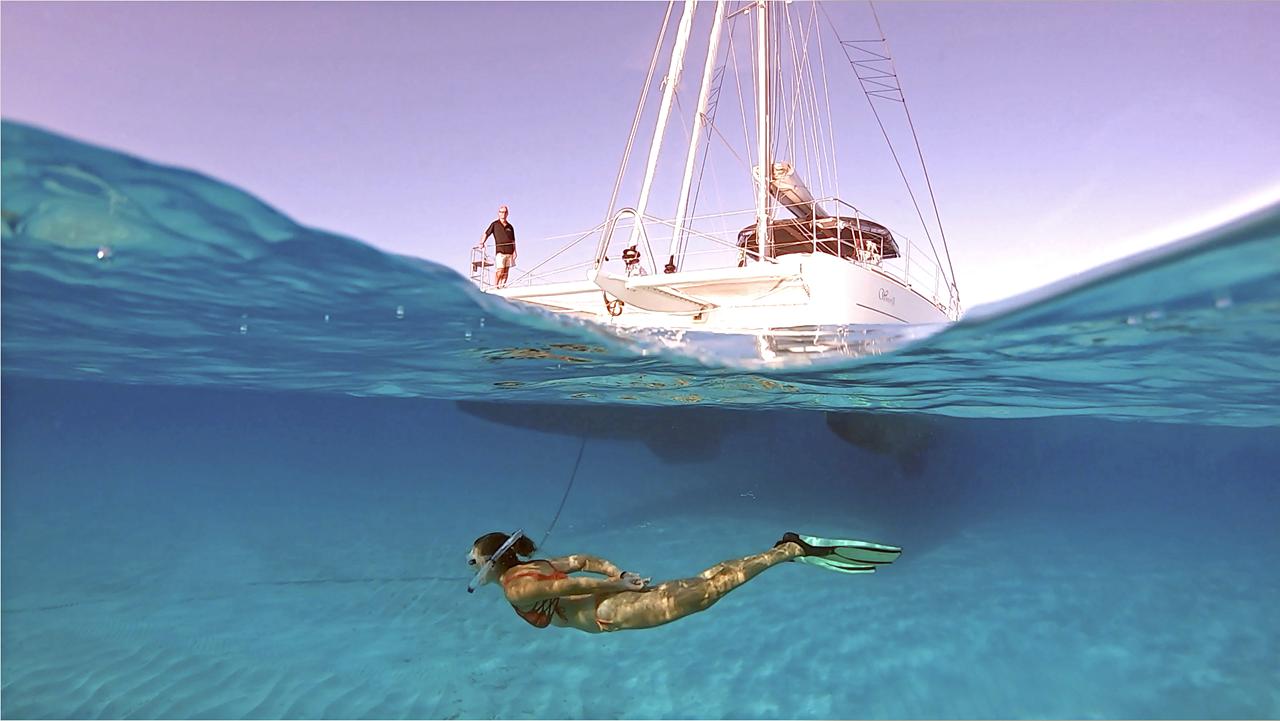
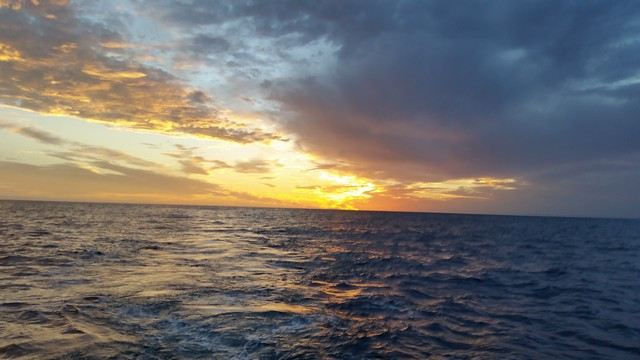
Most national parks and reserves are managed by Costa Rica's conservation system, SINAC, with fees and visitor rules; some, such as Caño Island, limit daily visitors.
Catalina Islands
Rocky islets known for diving and snorkeling, with Pacific manta rays seen seasonally, roughly from late in the year into spring.
Bat Islands
Part of the Guanacaste Conservation Area's marine sector and a famous dive site for bull sharks, for advanced divers only, mainly from mid-May to early November.
Las Baulas National Marine Park
Protecting one of the world's most important leatherback turtle nesting beaches; beach access during nesting is by guided visit only.
Isla Tortuga
Two islets reached only by boat, with beaches, snorkeling and kayaking; day visits only.
Marino Ballena National Park
Famous for its whale's-tail sandbar and as a humpback whale-watching area.
Golfo Dulce & Caño Island
A deep gulf where marine life has recovered strongly, and Caño Island Biological Reserve, a snorkel and dive site with daily limits.
Whales & seasons
Two whale seasons, two weather seasons
Humpback whales visit Costa Rica's Pacific coast from two hemispheres: southern humpbacks roughly from July to October or November, and northern humpbacks roughly from December to March or April. The quietest period is around May and June. Whale watching follows national rules on approach and time.
Dry season runs from about mid-December to late April, the green (wet) season from May to mid-December. In northern Guanacaste, strong offshore Papagayo winds blow roughly from November to April, strongest around January and February, and can make the gulf rough.
Water temperature in the Gulf of Papagayo can drop noticeably during the windy season, when cooler water upwells.
For your Costa Rica quote
- Where you are staying, and your nearest airport
- Date and group size
- Sunset sail, snorkeling, fishing, whales or an island day
- Comfort with beach boarding, if relevant
Current fleet & availability
Ask about boats near you in Costa Rica
Tell us where you are staying, your date and group size, and the kind of day you have in mind. We will check the vessels available in that region.
Related destinations
More of the Americas
Costa Rica FAQ
Frequently Asked Questions About Yacht Charters in Costa Rica
Straight answers to the questions travelers ask most about chartering in Costa Rica. If yours is not here, ask us when you request a quote.
Where do yacht charters in Costa Rica depart?
Mainly from Pacific marinas: Marina Papagayo and Marina Flamingo in Guanacaste, Los Sueños and Marina Pez Vela in the Central Pacific, and the Golfito marinas in the south. At Tamarindo and Playas del Coco, boats board from the beach.
Is there a marina in Tamarindo or Playas del Coco?
No. Catamarans in Tamarindo and Playas del Coco anchor off the beach and guests board from the sand. A marina for El Coco has been planned but is not yet operating.
When can I see humpback whales in Costa Rica?
There are two seasons: roughly July to November for southern humpbacks and December to April for northern humpbacks, with the quietest period around May and June.
When is the water calmest in Guanacaste?
The dry season is the sunniest, but strong Papagayo winds blow from about November to April. Conditions vary day to day, and sheltered bays help.
Can we visit Isla Tortuga by private boat?
Yes, Isla Tortuga in the Gulf of Nicoya is a popular day trip, commonly from Puntarenas or Los Sueños. There is no overnight lodging on the island.
Can we see manta rays or bull sharks in Guanacaste?
Manta rays are seen seasonally at the Catalina Islands, and bull sharks at the Bat Islands, which are for advanced divers only, mainly from mid-May to early November.
Which marina is closest to Manuel Antonio?
Marina Pez Vela in Quepos.
Are there charters on the Caribbean coast?
Very few. The tourism authority's listed marinas are all on the Pacific, so we focus on the Pacific coast.
Is the snorkeling good in Costa Rica?
It can be excellent at the islands and reefs, such as the Catalinas, Isla Tortuga and Caño Island, but visibility varies with season and conditions.
Which marina is closest to Liberia airport?
Marina Papagayo, on Culebra Bay in northern Guanacaste, is about 30 minutes from Liberia's airport. It is a naturally sheltered harbor, protected from the strong northern Papagayo winds, and charters there explore the bays and coastline of northern Guanacaste.
Where can we charter a yacht if we are staying in San José?
Los Sueños Resort and Marina at Playa Herradura, north of Jacó, is the main central Pacific option for guests coming from San José. San José itself is inland and the coastal regions are hours apart by road, so tell us where you will be based.